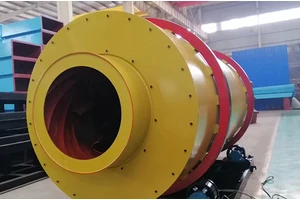

Small Ball Mill Parameters, Ball Load & Production Process Guide
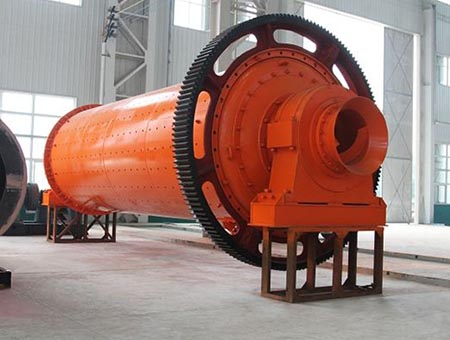
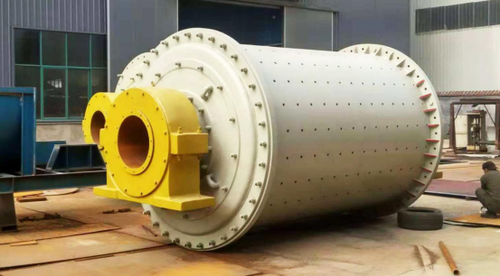
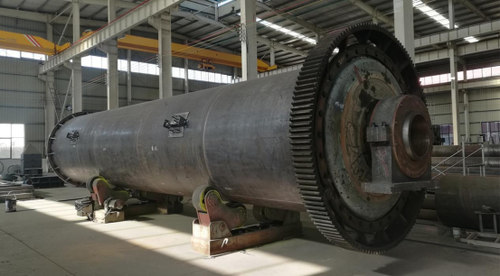
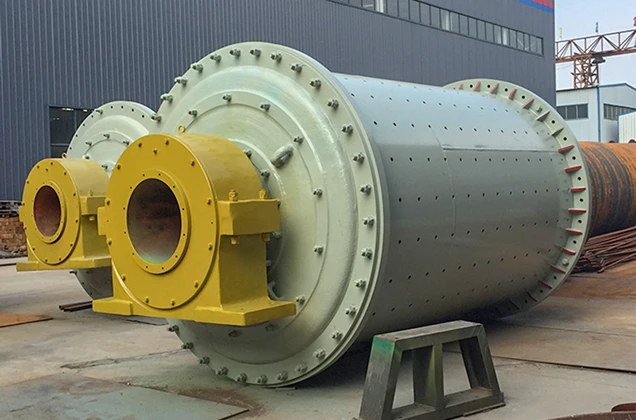
As a commonly used grinding equipment, the small ball mill is widely applied in various laboratories, small-scale production lines, and fields requiring fine grinding. Its unique structural design and high grinding efficiency make the small ball mill a capable assistant in many industries. This article provides a detailed introduction to the parameters, ball load, and production process of the small ball mill, helping readers better understand and utilize this equipment.
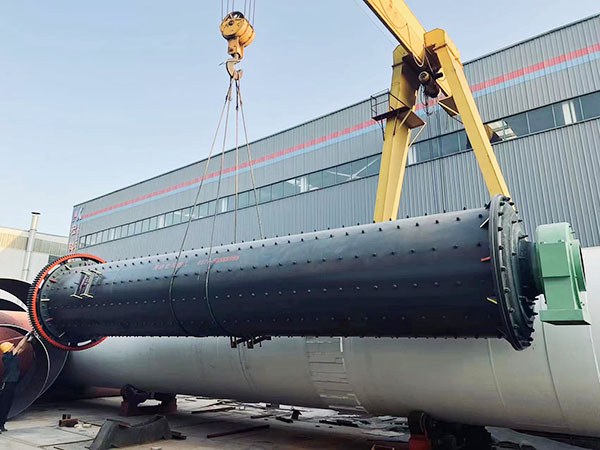
1.Detailed Parameters of the Small Ball Mill
The main parameters of the small ball mill include the following aspects:
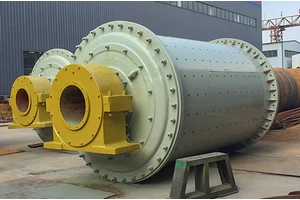
Shell Diameter: The shell diameter determines the grinding capacity and throughput of the ball mill. Generally, the larger the shell diameter, the stronger the grinding capacity, but equipment costs will increase accordingly. Therefore, when selecting a small ball mill, a balance must be struck based on actual needs.
Shell Length: The shell length also affects the grinding performance of the ball mill. An appropriate shell length helps the grinding media move adequately within the shell, improving grinding efficiency. However, excessive length may cause materials to stay too long in the shell, affecting product quality.
Rotation Speed: Rotation speed is one of the important parameters of the ball mill, determining the motion state and grinding performance of the grinding media within the shell. Generally, higher speed improves grinding efficiency, but excessive speed may cause excessive wear of the grinding media, reducing equipment service life.
Motor Power: Motor power is the source of driving force for the ball mill, directly affecting equipment operational stability and grinding capacity. When selecting a small ball mill, appropriate motor power should be chosen based on actual grinding requirements.
2.Detailed Ball Load of the Small Ball Mill
Ball load is a parameter requiring special attention during the operation of the small ball mill. A reasonable ball load helps improve grinding efficiency and reduce energy consumption. The following are key points regarding the small ball mill ball load:
Ball Load Calculation: Ball load is generally calculated based on shell volume and grinding media density. In actual operation, ball load can be determined using empirical formulas or test data.
Impact of Ball Load: Insufficient ball load may result in inadequate movement of grinding media within the shell, affecting grinding performance; excessive ball load may cause collisions between grinding media, reducing grinding efficiency. Therefore, when adjusting ball load, factors such as material properties, grinding requirements, and equipment performance should be comprehensively considered.
Ball Load Adjustment: During actual operation, ball load can be appropriately adjusted based on grinding performance and equipment operating conditions. For example, when grinding efficiency decreases, ball load can be increased; when energy consumption is too high, ball load can be reduced.
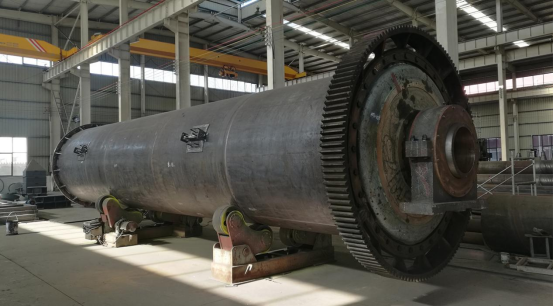
3.Detailed Production Process of the Small Ball Mill
The production process of the small ball mill mainly includes the following steps:
Raw Material Preparation: The material to be ground is pre-treated through crushing, screening, etc., to ensure particle size meets the feed requirements of the ball mill.
Feeding: The pre-treated material is evenly fed into the ball mill shell through the feeding device. During feeding, feed rate and volume should be controlled to ensure stability and continuity of the grinding process.
Grinding: The material collides and rubs against the grinding media (such as steel balls) inside the ball mill shell, gradually becoming finer. During grinding, parameters such as rotation speed and ball load can be adjusted as needed to optimize grinding performance.
Discharging: When the material reaches the required grinding fineness, it is discharged from the ball mill through the discharge device. During discharging, discharge rate and volume should be controlled to avoid material blockage or over-grinding.
Subsequent Processing: The ground material undergoes subsequent processing such as drying and screening as needed to meet production requirements.
As an efficient and flexible grinding equipment, the small ball mill plays an important role in various laboratories and small-scale production lines. By understanding the parameters, ball load, and production process of the small ball mill, users can better master the operation methods and techniques, improving grinding efficiency and product quality. At the same time, during actual operation, reasonable adjustments and optimization should be made based on specific needs and equipment performance to ensure stable operation and efficient production.
This concludes our detailed response regarding small ball mill parameters, ball load, and production process. We hope you find it helpful.
The mineral processing equipment produced by Henan Hongke Heavy Industry holds significant competitive advantages in the industry. We offer comprehensive one-stop services covering pre-sales consultation, in-sales follow-up, and after-sales support – ensuring every customer enjoys peace of mind from purchase to operation. Click Consult Us to leave a message. You are warmly welcome to visit Hongke Heavy Industry in Henan for on-site inspection and project discussion – we will provide you with professional solutions and quotations!