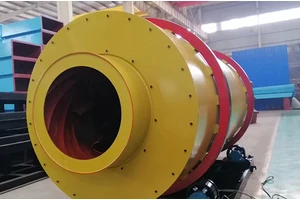

How to Reduce Rotary Kiln Fuel Consumption?
This article analyzes the main factors affecting rotary kiln fuel consumption and introduces practical measures to reduce coal consumption, including combustion system optimization, insulation improvement, waste heat utilization, and operating parameter adjustment, helping enterprises lower production costs.
In the furnace of modern industry, the rotary kiln acts like a tireless alchemist, transforming raw materials into valuable metals and minerals. However, this alchemist's power is not infinite, and the energy consumption behind it has always been a focus of industry attention. Reducing rotary kiln fuel consumption not only eases the financial burden on enterprises but also represents a commitment to environmental protection. This article explores several effective strategies for reducing rotary kiln fuel consumption.
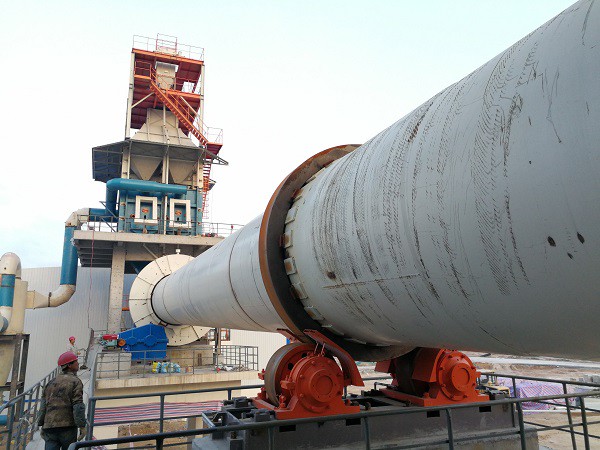
Optimize Combustion Technology
First, improving the combustion system is key to reducing fuel consumption. Adopting advanced burners, such as swirl-type burners, can enhance combustion efficiency and reduce losses from incomplete combustion. At the same time, precisely controlling the excess air coefficient during combustion ensures thorough fuel burning and prevents excess air from carrying away heat.
Enhance Heat Exchange Efficiency
Second, strengthening heat exchange inside the rotary kiln is another effective approach. By installing high-efficiency heat exchangers inside the kiln shell, waste heat from kiln exhaust gases can be recovered to preheat raw materials or combustion air, thereby improving overall thermal efficiency.
Refine Operational Management
Refined operational management is also a key factor. By monitoring critical parameters such as kiln temperature and pressure in real time, and promptly adjusting kiln speed and feed rate, the thermal stability inside the kiln can be maintained. In addition, regular maintenance and inspection of the rotary kiln ensure reliable equipment operation and effectively reduce energy waste.
Adopt Alternative Fuels
Exploring and utilizing alternative fuels is another strategy for cost reduction. For example, biomass fuels, waste plastics, and other renewable resources not only reduce dependence on traditional fossil fuels but also help lower carbon emissions to a certain extent.
Whether you are seeking solutions to reduce rotary kiln fuel consumption or planning a new production project, our engineering team is ready to provide professional consultation and customized technical support. Click Consult Us to leave us a message – we will respond promptly during business hours with expert advice and solutions. Let us help you achieve energy savings, cost reduction, and efficient production!