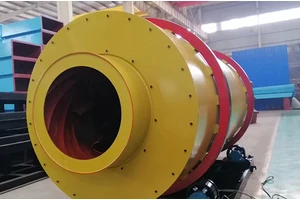

What Improvements Have Been Made to the New Generation Rotary Kiln?
With continuous technological advancement and rapid industrial development, the rotary kiln, as an important piece of industrial equipment, has been undergoing ongoing technical innovation and improvement. The new generation rotary kiln has seen significant improvements in multiple aspects to enhance operational efficiency, environmental performance, and production safety. This article explores in detail the areas in which the new generation rotary kiln has been improved.
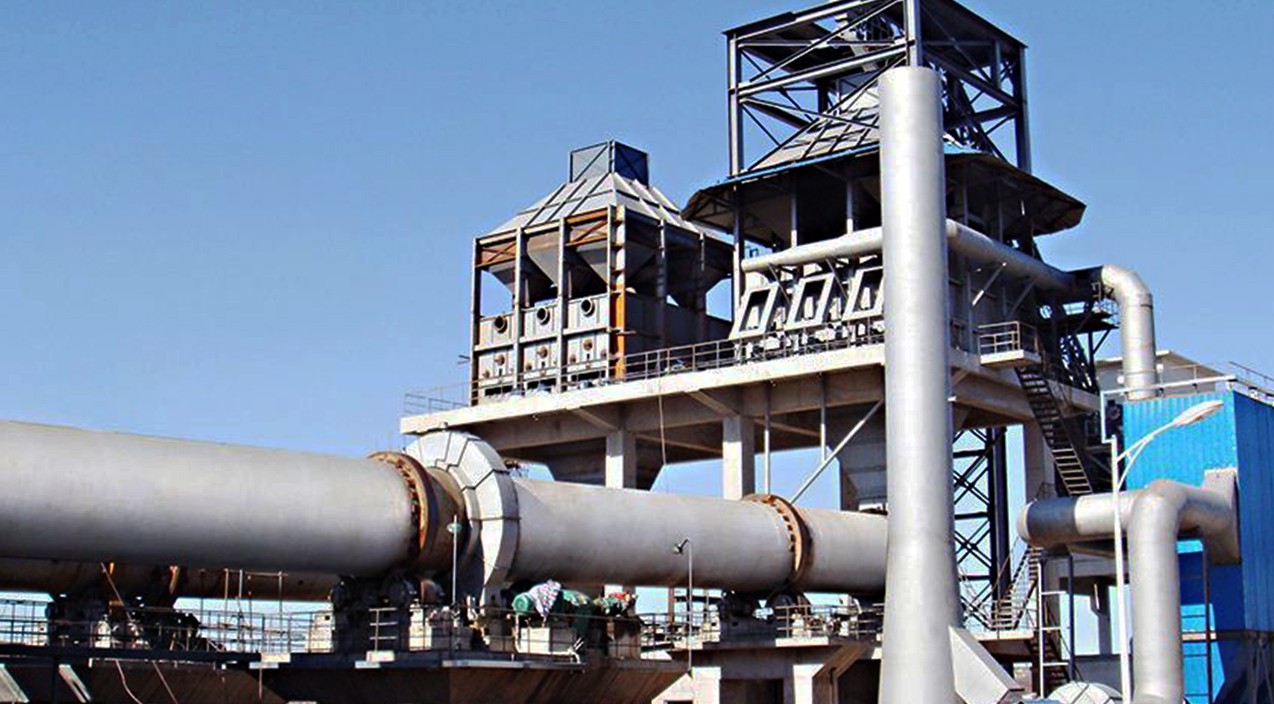
I. Combustion System Optimization
The new generation rotary kiln has undergone major improvements in its combustion system. First, advanced burners and hot air furnace systems have been adopted to improve combustion efficiency and reduce energy consumption. By optimizing burner design and adjusting combustion parameters, the new generation rotary kiln achieves more complete combustion, reducing fuel consumption and exhaust emissions. At the same time, the introduction of hot air furnace systems provides a stable and efficient heat source for the combustion process, further improving combustion efficiency.
II. Optimization of Kiln Insulation Materials
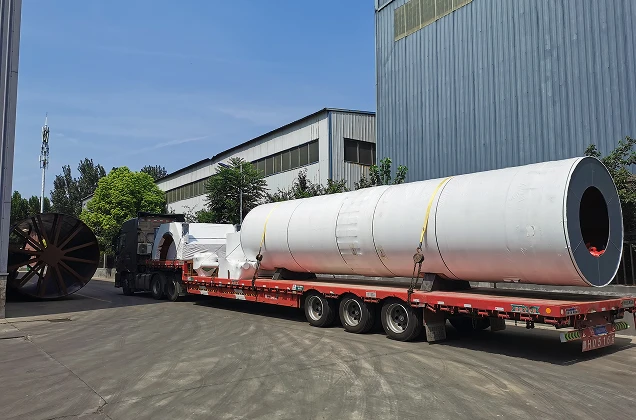
The new generation rotary kiln has also been optimized in terms of kiln insulation materials. More efficient insulation materials are used to reduce heat loss from the kiln shell and improve thermal energy utilization. These new insulation materials not only provide excellent thermal insulation performance but also effectively resist high temperatures and chemical corrosion, ensuring stable operation of the kiln shell under high-temperature conditions.
III. Introduction of Air Preheating Systems
To further improve thermal energy utilization and reduce fuel consumption, the new generation rotary kiln incorporates air preheating systems. By preheating the air used for combustion and material heating, fuel consumption is reduced and nitrogen oxide emissions are lowered. The introduction of this system not only improves the operational efficiency of the rotary kiln but also reduces production costs and environmental pollution.
IV. Waste Gas Recovery and Utilization Technology
The new generation rotary kiln has also introduced innovations in waste gas recovery and utilization. Waste heat recovery devices are used to capture thermal energy from rotary kiln flue gases for heating or power generation, achieving energy reuse. The application of this technology not only improves energy utilization efficiency but also reduces the environmental impact of exhaust emissions.
V. Optimization of Fuel Selection
The new generation rotary kiln has also seen optimization in fuel selection. By choosing cleaner fuels such as natural gas or biomass fuels, pollutant emissions are reduced. These clean fuels not only have high combustion efficiency but also emit fewer pollutants, helping to reduce the environmental impact of the rotary kiln.
VI. Application of Automated Control Systems
To improve the operational reliability and efficiency of the rotary kiln, the new generation incorporates advanced automated control systems. These systems can monitor and adjust the operating parameters of the rotary kiln in real time, ensuring the equipment operates under optimal conditions. At the same time, the automated control systems are equipped with fault diagnosis and early warning functions, enabling timely detection and resolution of issues, reducing the impact of failures on production.
VII. Optimization of Structural Design
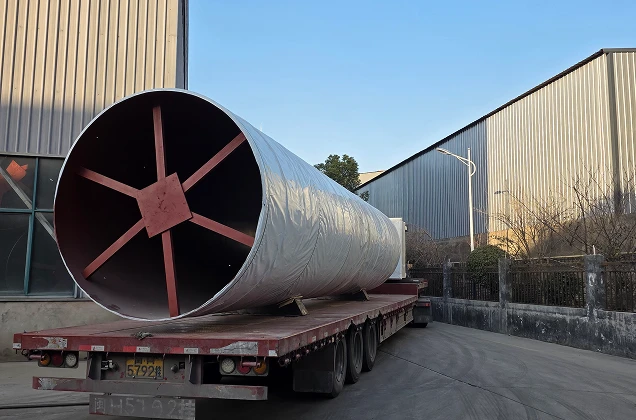
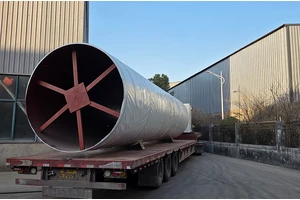
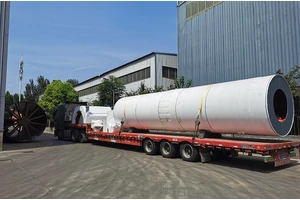
The new generation rotary kiln has also seen optimization in structural design. By increasing the inner diameter of the shell, modifying the kiln shape, and optimizing material movement trajectories, the retention time of materials in the kiln and calcination efficiency have been improved. These optimization measures not only enhance production efficiency but also reduce energy consumption and production costs.
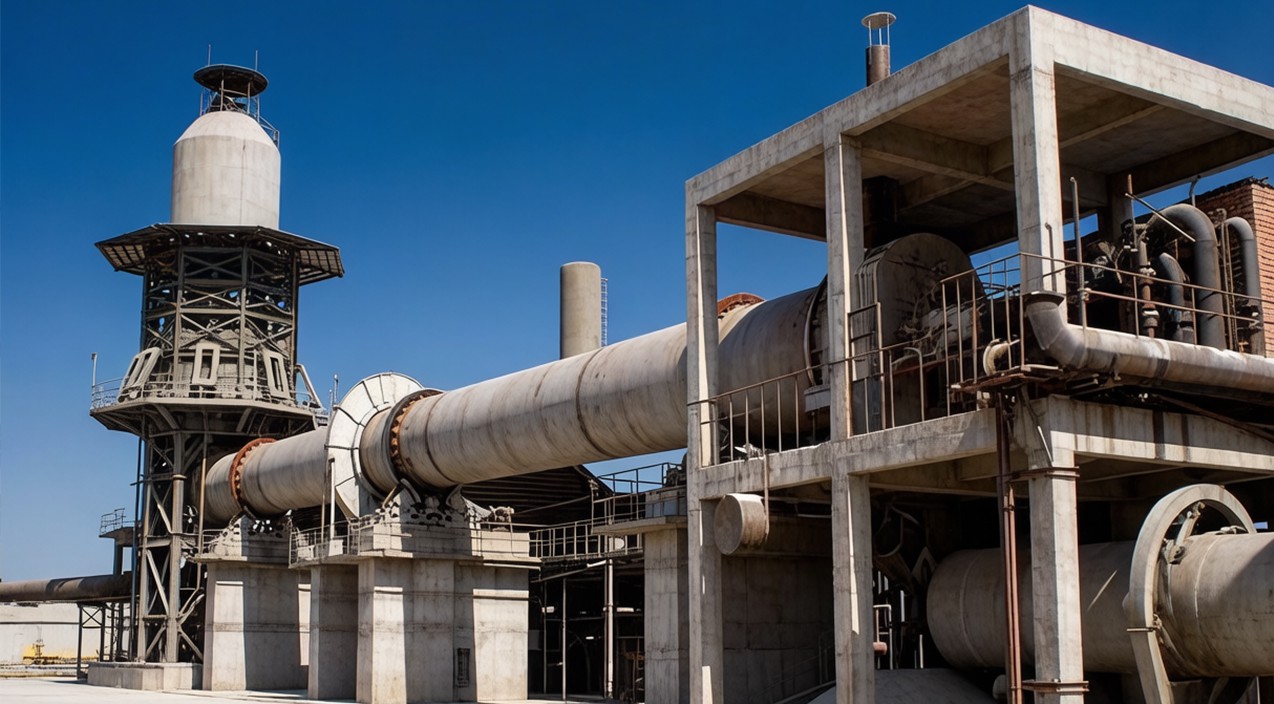
In summary, the new generation rotary kiln has achieved significant improvements and innovations in combustion systems, kiln insulation materials, air preheating systems, waste gas recovery and utilization, fuel selection, automated control systems, and structural design. These improvements not only enhance the operational efficiency and environmental performance of the rotary kiln but also reduce production costs and environmental impact. With continuous technological advancement and rapid industrial development, the new generation rotary kiln is expected to play an even more important role in the future.
The mineral processing equipment produced by Henan Hongke Heavy Industry holds significant competitive advantages in the industry. We offer comprehensive one-stop services covering pre-sales consultation, in-sales follow-up, and after-sales support – ensuring every customer enjoys peace of mind from purchase to operation. Click Consult Us to leave a message. You are warmly welcome to visit Hongke Heavy Industry in Henan for on-site inspection and project discussion – we will provide you with professional solutions and quotations!